Community
4 February, 2026
Plastics make up more than 80 per cent of Australia’s litter, new report finds
Plastics continue to dominate Australia’s litter problem, with new data showing they now account for more than 80 per cent of all rubbish found across streets, parks, bushland and waterways.
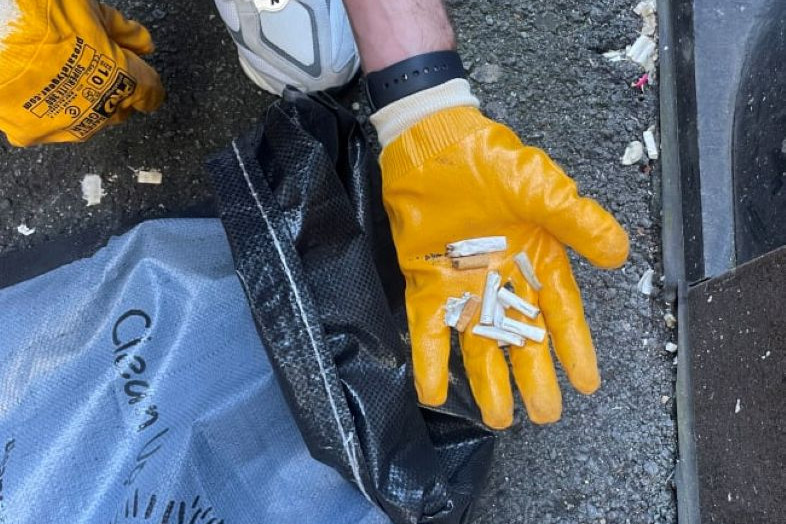
Plastics continue to dominate Australia’s litter problem, with new data showing they now account for more than 80 per cent of all rubbish found across streets, parks, bushland and waterways.
The findings are contained in the FY25 Litter Report released by Clean Up Australia, which draws on litter collected nationwide between July 1, 2024 and June 30, 2025.
The report reveals plastics made up 80.8 per cent of all litter counted, while cigarette butts — which contain plastic filters — have become the single most littered item in the country, representing 23.6 per cent of all rubbish collected.
Clean Up Australia chair Pip Kiernan said the data highlights the need to stop waste before it enters the environment.
Soft plastics remain a major contributor, accounting for 30.5 per cent of all litter categories, while packaging overall represented 59.5 per cent of reported litter. Among individual items, cigarette butts overtook soft plastic wrappers, which made up 18.6 per cent, followed by plastic bags at 8.7 per cent.
Ms Kiernan said many Australians were unaware that cigarette butts were made of plastic and posed a long-term environmental threat.
“It is troubling to see cigarette butts now represent nearly a quarter of all litter collected, with an estimated 8.9 billion butts littered in Australia every year,” she said.
“When littered, they shed microfibres, leach toxic waste and can take up to 30 years to decompose.”
While beverage containers such as cans, bottles and cartons declined slightly from the previous year, they still accounted for a combined 14.6 per cent of litter. Clean Up Australia said container deposit schemes operating in all states and territories were expected to continue driving that figure down.
Takeaway coffee cups increased as a proportion of total litter, rising from 2.8 per cent in FY24 to 4.3 per cent in FY25, despite reusable alternatives being widely available.
Vapes were found at 33.9 per cent of surveyed sites, continuing a sharp upward trend. Over the past three years, the number of sites reporting vapes has increased by 23.5 per cent, prompting renewed calls for a nationwide safe disposal system due to the batteries and toxic materials they contain.
Ms Kiernan said recycling alone would not solve Australia’s litter problem, noting plastic consumption has more than doubled over two decades.
“In 2000, Australia consumed 1.79 million tonnes of plastic. By 2024, that figure had risen to 3.97 million tonnes,” she said.
Clean Up Australia Day will be held on Sunday, 1 March, with organisers encouraging locals to take part in clean-ups across creeks, parks and local streets.
“Grassroots community action remains essential,” Ms Kiernan said. “When we come together, we create real, visible change.”
Read More: Southern Highlands, Wollondilly, Southern Tablelands