Rural
13 December, 2025
Virtual fencing legalised in NSW as local farmers hail ‘game-changer’
Local cattle and dairy farmers will soon be able to manage livestock without traditional internal fencing
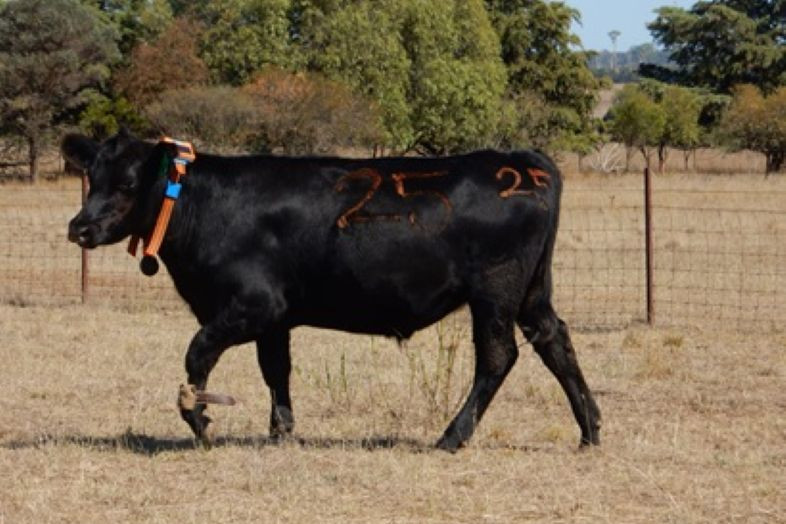
Local cattle and dairy farmers will soon be able to manage livestock without traditional internal fencing, after the NSW Parliament officially legalised virtual stock fencing — a move widely welcomed by producers and industry groups.
The new regulation allows the use of GPS-based virtual fencing technology for cattle, giving farmers greater flexibility while reducing fencing and maintenance costs.
Virtual fencing uses collars or neckbands fitted to cattle, which rely on GPS to create invisible boundaries. Animals receive audio or vibration cues — followed, if necessary, by a mild electric stimulus — to guide their movement, eliminating the need for kilometres of hard fencing and laneways.
NSW Farmers’ Animal Welfare Committee chair Rob McIntosh said the technology had already proven its value elsewhere and was long overdue in NSW.
“This technology has been a game-changer not just in other parts of Australia, but around the globe, and it’s high time we got on board,” Mr McIntosh said.
“It gives us flexibility we’ve never had before — we can graze and move stock without building kilometres of fences, and we can shift boundaries easily to better manage livestock and land.”
The regulation follows extensive consultation with farming groups, animal welfare enforcement agencies and technology suppliers, as well as consideration of recommendations from a Legislative Assembly inquiry into virtual stock fencing laws.
Minister Moriarty said the government had struck the right balance between innovation and animal welfare.
“We committed to allow virtual fencing and now we are delivering on it,” she said.
“By legalising virtual fencing, farmers can reconfigure paddocks with the touch of a button and receive real-time insights into the health and movements of their herds, so they can act sooner when required.”
Under the new rules, the technology can only be used for cattle and must comply with the NSW Guide to Animal Welfare for Virtual Fencing of Cattle. Safeguards include mandatory training for users, regular monitoring of animal welfare, and a requirement that audio or vibrational cues are used before any electric cue. Farmers cannot manually trigger cues, and devices include automatic shut-off features if welfare risks are detected.
Industry groups say the technology could significantly improve rotational grazing systems, protect sensitive areas and reduce stress on animals by limiting the need for mustering with bikes and dogs.
NSW Farmers’ president Xavier Martin said the benefits were clear.
“From reducing fencing and maintenance costs to protecting biodiversity and limiting stock handling, the benefits of this technology make it an incredibly powerful tool,” he said.
“With farmers needing to produce more food and fibre than ever before, it’s vital we embrace innovative technologies like this to help feed the future.”
With virtual fencing now legal, farmers across the Highlands, Tablelands and surrounding areas are expected to begin rolling out the technology across properties, marking a significant shift in how livestock are managed across the state.
Read More: Southern Highlands, Southern Tablelands