Community
14 January, 2026
Site perfect for wildlife research centre and safe haven
The Southern Highlands Wildlife Sanctuary is hoping to secure more than $3 million in funds by mid-year to purchase a property in Bundanoon considered ideal for a research centre and wildlife refuge.
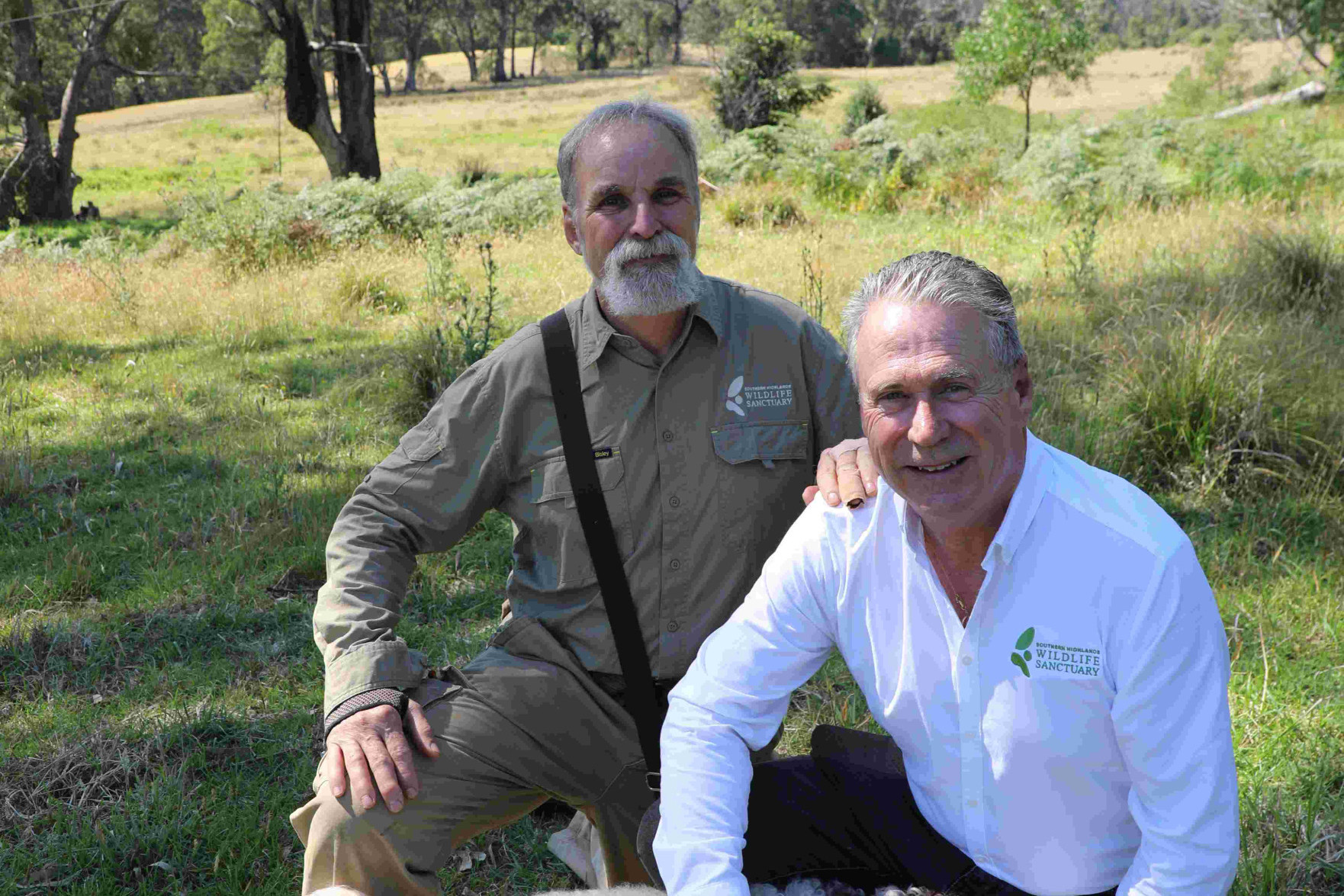
The Southern Highlands Wildlife Sanctuary is hoping to secure more than $3 million in funds by mid-year to purchase a property in Bundanoon considered ideal for a research centre and wildlife refuge.
The Spring Hill property is perfect for what the Sanctuary is hoping to achieve and will enable it to move towards full expansion next year (2027).
Sanctuary co-founder Peter Lewis is confident of getting the money from somewhere – he’s just not exactly sure from where just yet.
The not-for-profit is pursuing a number of grant funding opportunities as well as support from the corporate sector.
Mr Lewis said the organisation was extremely viable – thanks primarily to the support of local residents – but much-need funding for the Spring Hill property purchase would need to come from other sources.
The Sanctuary was founded by Mr Lewis and ‘The Wombat Man’ John Creighton following a talk about a mangy wombat in Mr Lewis’ backyard.
It is dedicated to the research, care, rehabilitation and conservation of native Australian wildlife with a particular focus on the critically endangered koala but extending to other species including wombats, quolls and sugar gliders.
Land has already been bequeathed by Quest for Life for an education centre in Bundanoon – and a development application is currently with Wingecarribee Shire Council.
While education is considered crucial to the long-term health of Australian wildlife, the research centre and wildlife refuge would help enable the organisation to take a more holistic and integrated approach.
The organisation is confident of attracting researchers from around the country and from around the world. It has already established strong links with at least two Australian universities and one from San Francisco in the United States.
Mr Lewis said one of the organisation’s aims was to re-establish a koala population in the Bundanoon area.
Mr Lewis said the koala population in NSW was approximately two million in the early 1900s but the threat from man (who shot and ate them) and more recently from disease and chlamydia had cut their numbers to between 95,000 and 238,000 and their habitats were now isolated.
He said 80 per of the state’s koala population was now diseased while across the border in Queensland it was estimated to be 100 per cent.
He said Morton National Park used to be “full” of koalas and provided a perfect habitat for translocated koalas that are disease free and biodiversity strong.
He said the Spring Hill site – which borders Morton National Park – would provide a perfect location for re-feeding koalas from other areas and for re-establishing a thriving local population.
Mr Lewis said koalas faced extinction by 2050 “unless we do something now”.
“All of our marsupials are in trouble in one way or another,” he told The Southern Wire.
John Creighton is well known internationally for his work on-the-ground with wombats but acknowledges that education is vitally important.
“Through education comes the care,” he said.
The Sanctuary will build on John’s work in the education sphere and through its research efforts is also hoping to find a cure for wombat mange.
Mr Creighton said mange was extremely serious but easily treated.
Wombats with mange can die a painful death within two to three months.
“It’s horrible,” Mr Creighton said.
Unfortunately wombats that are successfully treated for mange can easily be re-infected once they have been released back into the environment.
Mr Lewis said the support from the local community for the Southern Highlands Wildlife Sanctuary had been over-whelming.
“The community is so ready for this,” he told The Southern Wire.
He said the Sanctuary had already enlisted 400 volunteers and had attracted numerous offers of in-kind support from local tradespeople.
Property owners across the Southern Highlands had offered land for koala re-release programs.
“The entire community has come behind us,” Mr Lewis said.
He said the Sanctuary had 11,000 social media followers and had attracted 11 million views.
It has two upcoming fundraisers including a Koala Gala in July and a Bush Opera in October.
Mr Lewis said on-going fundraisers would be essential and thanked local residents for their on-going support.
The sanctuary will not be a zoo or a place where people can interact with animals – it will be a safe haven for animals and possibly an animal hospital further down the track.
Limited interaction with animals may happen through the education centre and through the sanctuary’s work in schools but the founders are keen to point out the sanctuary is not – and never will be – a petting zoo.
“We’re building a world-class sanctuary in Bundanoon that combines cutting-edge research with wildlife rescue and rehabilitation, immersive education and habitat restoration,” an information package for the Sanctuary states.
“This is not a zoo nor a visitor centre. It’s a strategic response to biodiversity loss – grounded in science, powered by community and built for long-term impact”.
Read More: Southern Highlands, Bundanoon